
Introduction
Scheduling has always been one of the most time-consuming administrative tasks for businesses. Whether it's coordinating meetings across multiple time zones, assigning employee shifts, or managing customer appointments, traditional scheduling methods often result in conflicts, wasted time, and reduced productivity. Artificial Intelligence (AI) is changing this landscape by automating scheduling processes, learning from historical data, and making intelligent decisions that help organizations operate more efficiently.
Why Traditional Scheduling Falls Short
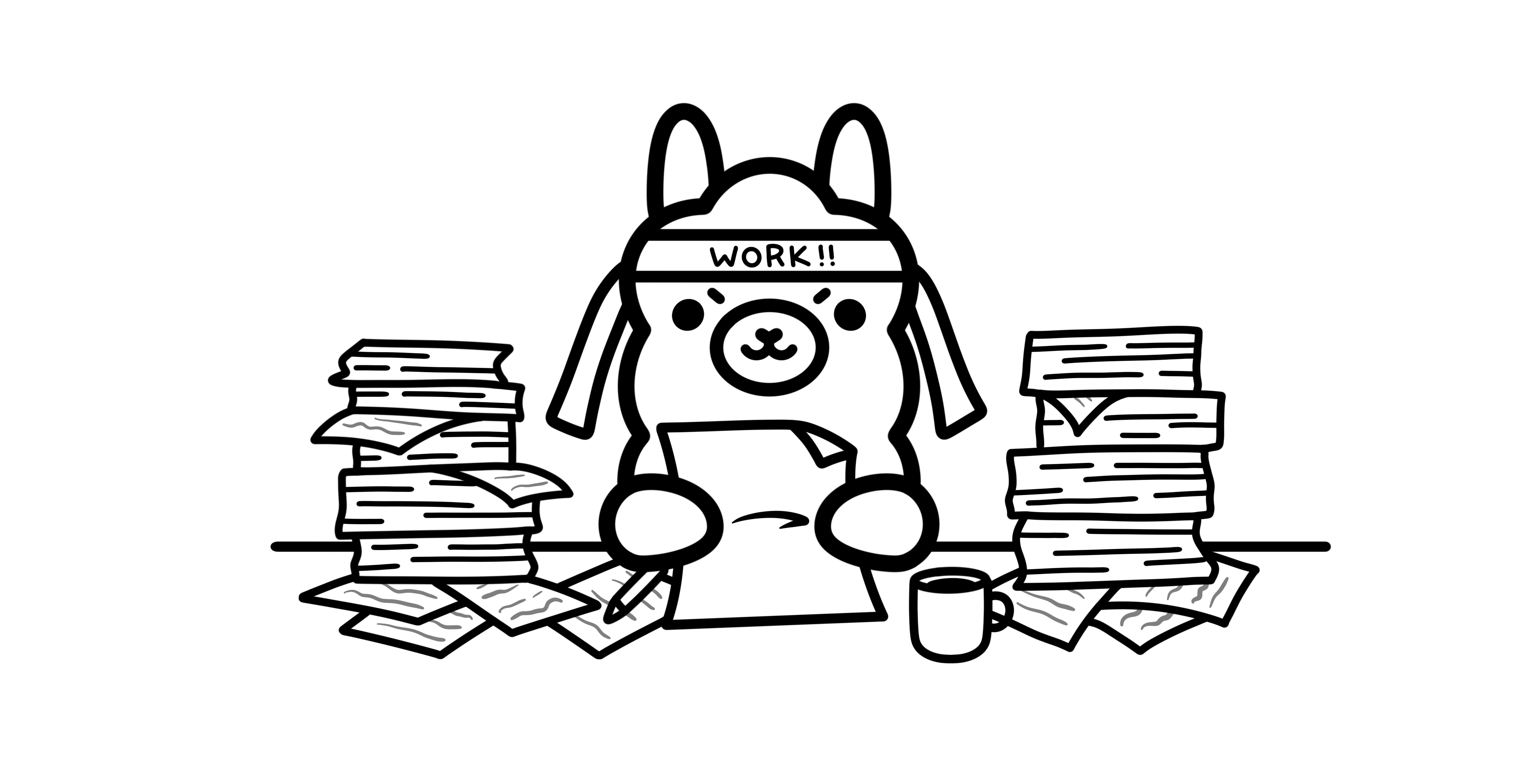
Manual scheduling often involves numerous emails, phone calls, and calendar adjustments. As businesses grow, these processes become increasingly complex. Managers spend valuable hours resolving scheduling conflicts, while employees struggle with overlapping commitments. This inefficiency not only impacts productivity but can also affect customer satisfaction.
How AI Improves Scheduling
1. Automated Meeting Coordination
AI-powered scheduling assistants can analyze participants' calendars, identify suitable meeting times, and automatically send invitations. This eliminates the need for lengthy email threads and significantly reduces scheduling delays.
2. Smart Resource Allocation
Businesses often need to allocate meeting rooms, equipment, or personnel efficiently. AI systems can evaluate availability, usage patterns, and priorities to ensure resources are utilized effectively.
3. Predictive Scheduling
By analyzing historical scheduling data, AI can predict busy periods, recommend optimal meeting times, and even anticipate staffing requirements. This helps organizations prepare for demand before it occurs.
4. Employee Shift Optimization
Retail stores, hospitals, and customer support teams benefit from AI-driven workforce scheduling. AI considers employee availability, workload, labor regulations, and business demand to generate balanced schedules that reduce overtime while maintaining service quality.
5. Intelligent Appointment Booking
Healthcare providers, consultants, and service-based businesses increasingly rely on AI to manage appointments. AI automatically confirms bookings, sends reminders, handles cancellations, and reschedules appointments when necessary, reducing no-show rates and improving customer experience.
Benefits for Businesses
Reduced administrative workload
Fewer scheduling conflicts
Higher employee productivity
Improved customer satisfaction
Better utilization of business resources
More accurate workforce planning
Data-driven scheduling decisions
Popular AI Scheduling Applications
Modern organizations use AI scheduling solutions for project management, healthcare appointments, sales meetings, interview coordination, customer support shifts, and manufacturing operations. These systems continuously learn from organizational behavior, becoming more accurate over time.
Challenges to Consider
While AI scheduling offers significant advantages, businesses should also consider data privacy, integration with existing systems, and maintaining human oversight. AI recommendations should complement managerial judgment rather than replace it entirely, especially for complex scheduling scenarios involving unique business requirements.
The Future of AI Scheduling
As AI models continue to improve, scheduling systems will become increasingly proactive. Future platforms may automatically detect potential project delays, recommend calendar adjustments, coordinate across multiple organizations, and optimize schedules based on employee well-being, productivity patterns, and business objectives.
Conclusion
AI is revolutionizing modern business scheduling by reducing manual effort, improving operational efficiency, and enabling organizations to make smarter decisions. Companies that embrace AI-powered scheduling tools can save valuable time, minimize conflicts, and create a more productive work environment for employees while delivering a better experience for customers.